Disability · NDIS registered provider 4050003922
School Leaver Employment Supports
A bridge from school to work, built out of real work.
Our school leavers learn the ropes alongside Good in the Hood volunteers, helping run the food programs that feed the Inner West. Real tasks, real people, real confidence.

At a glance
SLES, in short
-
What it is
School Leaver Employment Supports: up to two years of hands-on support, after school, to build the confidence and skills to work.
-
Who it is for
Young people with a disability, roughly 17 to 22, who have finished school and want to head toward a job.
-
How it is paid for
Through the Finding and Keeping a Job part of the Capacity Building budget in your NDIS (National Disability Insurance Scheme) plan.
-
How to start
Come and see what a day looks like. Call 02 9556 9500 or send us a message, and we will show you around.
Real work
You learn to work by working.
A lot of programs teach job skills in a classroom, with worksheets and role-plays. Ours does not. Our school leavers spend their days on the real tasks of the together² food programs, next to the Good in the Hood volunteers who run them.
There is a delivery to pack, a kitchen to clean, a customer to greet, a van to load. The skills come from doing the work, because it is work that genuinely needs doing.

What you learn
The skills that add up to a working week.
-
Getting there and back
Travel training: reading a timetable, catching the bus, planning a route, and getting yourself to work on time.
-
The workplace itself
Following instructions, working in a team, knowing what a boss expects, and handling a task from start to finish.
-
Money and time
Handling money, keeping to a shift, meeting a deadline, and juggling more than one job at once.
-
Talking to people
Greeting a customer, asking for help, sorting out a problem, and the everyday chat that makes a workplace work.
-
Getting job-ready
Building a resume, practising for an interview, and working out what kind of job you actually want.
-
Confidence
The one that matters most, and the hardest to teach from a worksheet: the belief that you can do this.
Good in the Hood
Shoulder to shoulder with volunteers.
Good in the Hood is the volunteer effort behind our food programs, and our school leavers are part of it. Working next to volunteers, rather than only support workers, changes something. You are not the person being helped. You are one of the people doing the helping, and that is a very different feeling to bring to a job interview.
Where it leads
Aimed at a real job, not a holding pattern.
SLES is a starting point, not a destination. The point is to move toward real work, for real pay, in the community, and we build every day around that.
-
Toward open employment
Award-wage work in an ordinary workplace is the goal. Not everyone gets there in two years, and that is honest, but it is always what we are aiming at, not a day program that goes nowhere.
-
We do not do it alone
We link you with employers, and with the disability employment services that help you find and keep a job when SLES finishes. The handover is part of the plan.
Getting started
Come and spend a day with us.
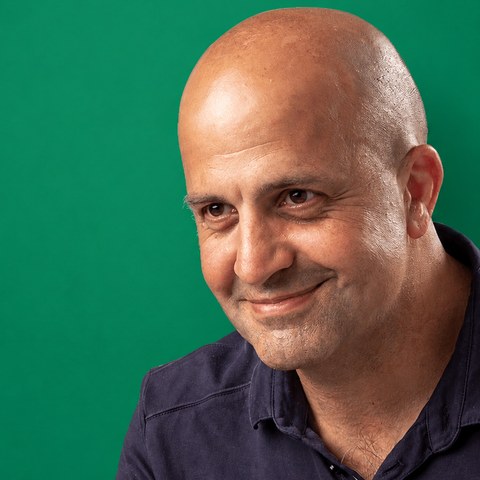
Marco De Angelis
Community and Enterprise Lead
Marco runs the food programs and the SLES program alongside them. The best way to know if it fits is to come and spend a day. Call any weekday, 9am to 5pm.
Just finished school? Let's talk.
Whether you are a school leaver, a parent, or a support coordinator, come and see what a day on the food programs looks like before you decide.
Prefer Easy Read? Here is our Easy Read page. Need Auslan or an interpreter? Tell us and we will arrange it.
Accessibility
We want this website to work for you.
If anything is hard to read or unclear, email accessibility@