Together Two · 2026 to 2029

Our Future:
Community-Led Plan
2026-2029

A renewed vision for specialist services and a revitalised Rozelle Neighbourhood Centre at the heart of Sydney’s Inner West. Grounded in evidence, co-designed with our community.

Endorsed byTogether Two Board
Co-designedOctober 2025
Plan period3 years
01
A message from the together² team

We connect to empower.

For more than 40 years we have been part of life in the Inner West. Our Future: Community-Led Plan 2026-2029 is our plan for the next chapter. It invests in specialist services for people with disability and older Australians, and it reawakens the Rozelle Neighbourhood Centre as a vibrant community hub for everyone.

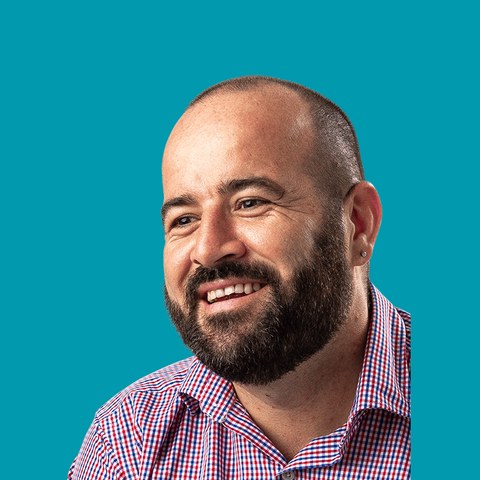
The Together Two team
02
How we are structured

One organisation. Two complementary arms.

Together Two is a registered charity and NDIS provider. We deliver our services through two arms with distinct identities, and one shared mission.

Specialist arm

together²

Specialist disability, aged care and clinical services delivered across metropolitan Sydney. Highly skilled teams, person-centred plans, and strong clinical governance.

  • Supported Independent Living (SIL)
  • In-home and community supports
  • Positive Behaviour Support
  • Specialised Substitute Residential Care (SSRC)
  • School Leaver Employment Supports (SLES)
  • Aged care services and clinical nursing
Community arm

Rozelle Neighbourhood Centre

The community services arm of Together Two, and the heart of where it all began. A place-based hub on Darling Street offering programs, partnerships and connection for everyone in the Inner West.

  • Community programs and events
  • Good in the Hood food relief partnership
  • Social enterprise café (in development)
  • Wellbeing Hub and integrated services
  • Targeted Earlier Intervention (TEI) Hub
  • Circles of Support and family engagement
03
Why this matters

The case for community-led services.

Our plan is built on a deep body of evidence about what helps people with disability, older Australians and whole communities to thrive.

The connection gap

Research consistently shows that people with disability access far less of the social capital, the relationships and networks, that helps anyone live well. Closing that gap is the opportunity that drives our plan.

Social capital is foundational.

Relationships and networks are not optional extras. They demonstrably improve physical and mental health, build resilience and open access to resources. Decades of research, from Robert Putnam onwards, support this.

Place beats programs.

Localised, community-driven services consistently outperform fragmented service delivery in promoting belonging, independence and quality of life. This is the heart of the place-based approach.

Third spaces matter.

Welcoming, neutral “third spaces” between home and work, like a community café, are where the informal connections that ease isolation actually form.

A vibrant, inclusive hub where disability, aged care and community services converge. A place where everyone, regardless of ability or age, finds connection, purpose and belonging.

Our vision for 2029
04
A place-based model

Built for the Inner West.

A place-based approach addresses local needs through collaborative, community-driven solutions. It recognises that fostering inclusion is a shared responsibility for the whole community, and that the conditions for a good life cluster around three lived realities that matter to every one of us.

01

Meaningful work

Inaccessible infrastructure, poor job customisation and workplace isolation lock people with disability and others who face barriers to employment out of meaningful work. We address this locally, for everyone who needs it.

  • Inclusive employment opportunities in community services and hospitality
  • Tailored volunteer pathways via Good in the Hood
  • SLES integration giving school leavers real workplace experience
  • Skills development workshops grounded in inclusive education research
02

A home of their own

Secure, affordable, accessible housing is the foundation of a good life. While Specialist Disability Accommodation helps some, most people, with and without disability, rely on mainstream housing that is often unaffordable or inaccessible.

  • Advocacy for accessible and affordable housing with local partners
  • Support for home-sharing models that build informal networks
  • Family education on shared equity schemes and Special Disability Trusts
  • Exploring Shared Lives and Individualised Living Options (ILO)
03

A connected life

Inclusive communities thrive when every member, of every age and ability, has both belonging and agency. We build the conditions for both.

  • Spaces designed for collaboration and mutual support
  • Trauma-informed, person-centred support through life transitions
  • Civic participation through workshops, events and advocacy
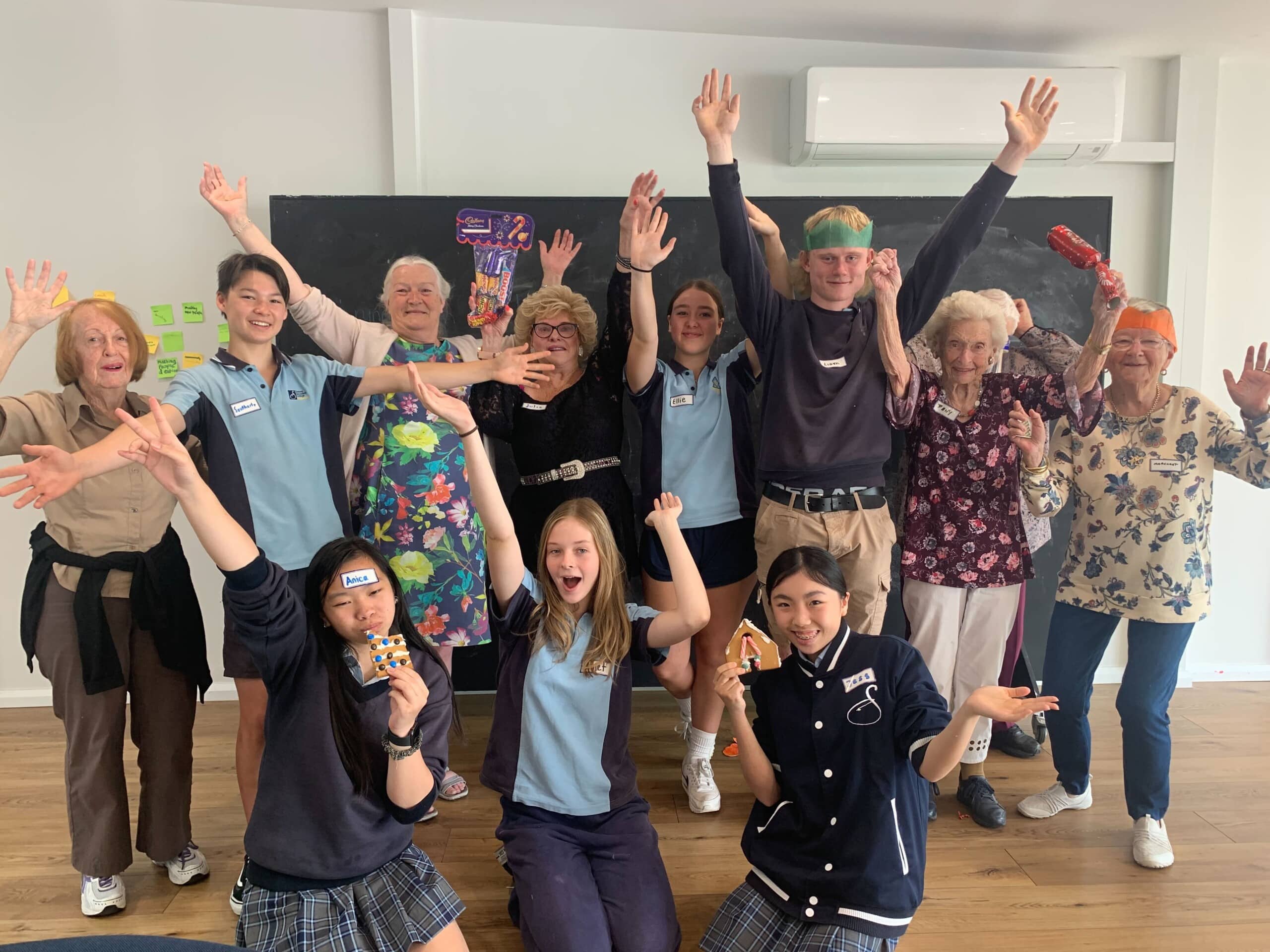
  • Intergenerational programs that connect young and old
Chickens at the Rozelle Neighbourhood Centre
05
The social enterprise café

The Inner West’s new “third space.”

The café at Rozelle Neighbourhood Centre will be a welcoming meeting point for diverse members of the Inner West. It will foster friendships, collaboration and the kind of informal connection that researchers describe as a “third space” between home and work.

It will offer employment and training pathways in hospitality and community services for people with disability, school leavers through SLES, older Australians and others facing barriers to workforce participation. Revenue will be reinvested into Centre programs, building a sustainable model that grows community capacity over time.

The design will be accessible and neuro-affirming, aligned with the Inner West Disability Inclusion Action Plan 2023 to 2026. Development approval is complete, and we are working with our community partners to secure the funding to bring it to life.

06
Partnership in action

Good in the Hood.

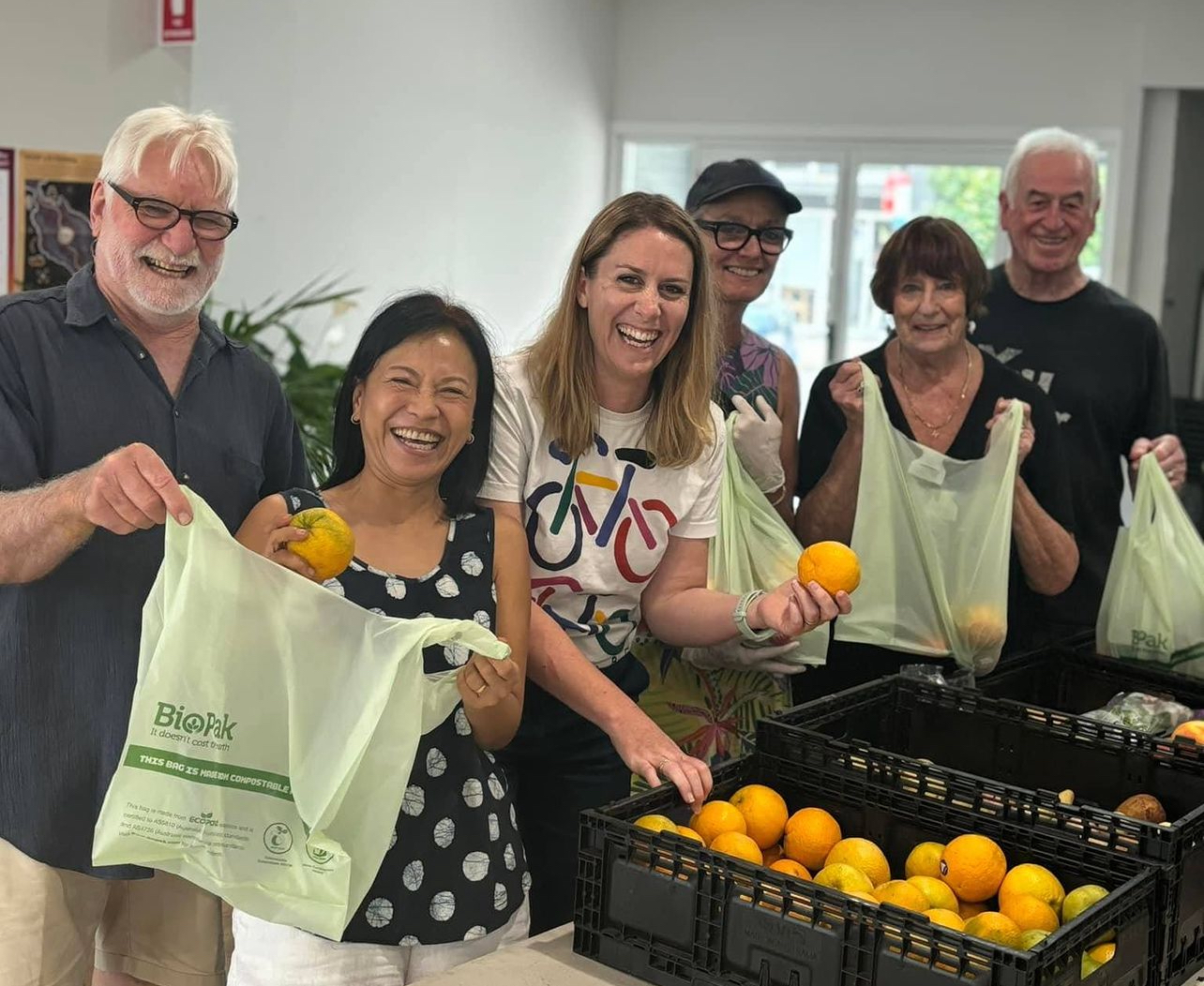
For years we have partnered with Good in the Hood, a grassroots collective of around 80 volunteers delivering more than 19,000 meals each year. It is the clearest example of what place-based, community-led services look like in practice.

Why this partnership works

  • 1Community-led solutions. Programs are designed by people who know the Inner West, its culture and its real challenges.
  • 2Reducing social isolation. Volunteer-driven engagement creates intergenerational, peer-to-peer connections.
  • 3Building local capacity. Engaging volunteers does not just deliver services, it strengthens the community’s overall ability to support its own.
  • 4Cost-effective and sustainable. Volunteer-led delivery extends reach to people who would otherwise face financial barriers.

What we deliver together

  • Mental health and wellbeing. Mindfulness workshops, grief support and peer-to-peer counselling.
  • Physical health and mobility. Yoga, tai chi, walking groups. Movement and connection together.
  • Social and civic engagement. Intergenerational programs, community gardening, local events that build belonging.
  • Practical support. Transport, technology training and help navigating modern systems.
  • Food relief. Redistribution of food to people experiencing hardship, the work that started it all.
Cinema-under-the-stars community event
07
A place that belongs to everyone

Where the Inner West gathers.

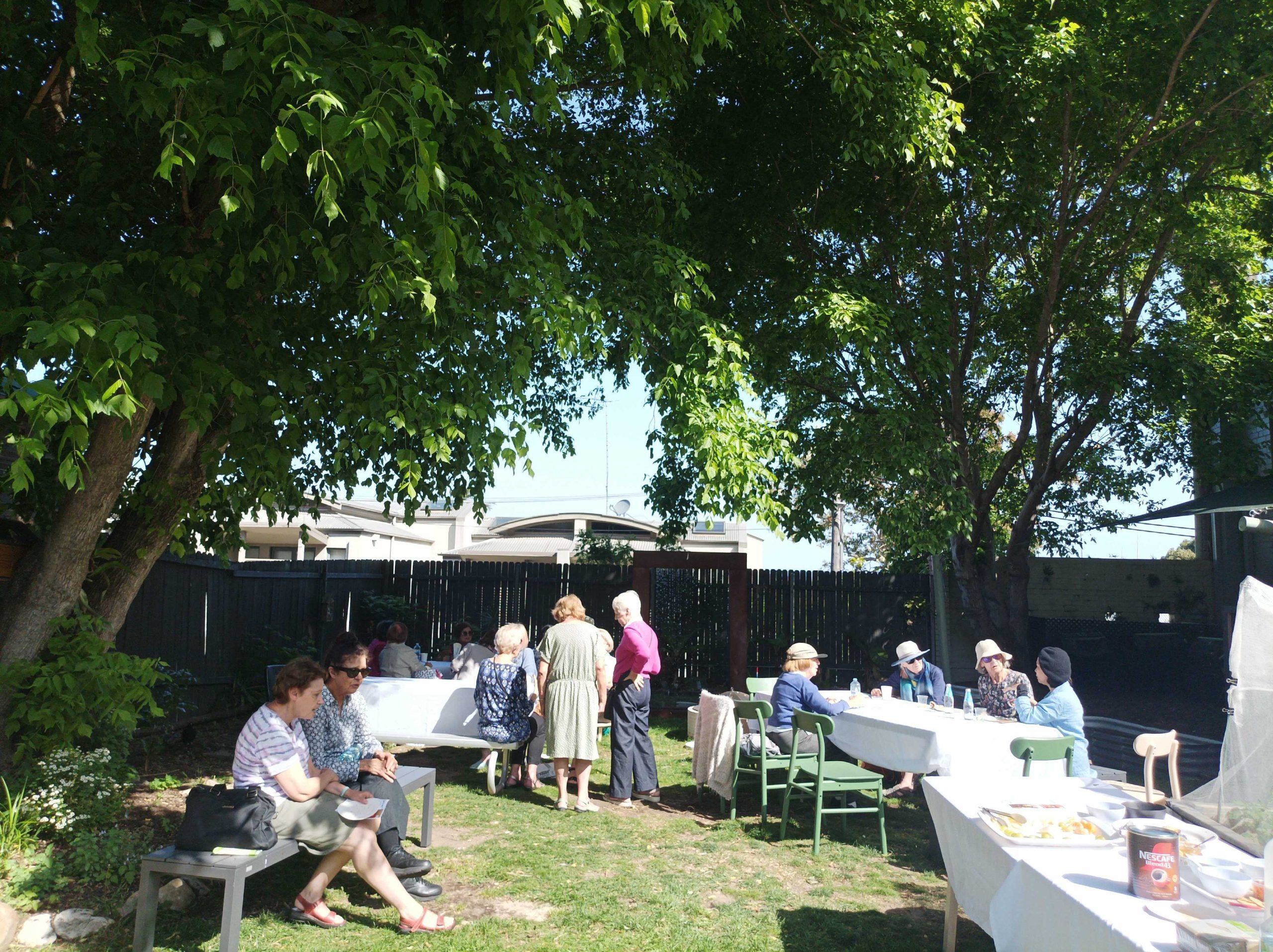
Rozelle Neighbourhood Centre is not just a building. It is a place where the whole community meets. Families, older Australians, NDIS participants, volunteers and local residents all share the space.

Our cinema-under-the-stars events, intergenerational programs, art workshops and community gardening days are designed so that everyone, regardless of ability or background, has a space to show up, contribute, and feel at home.

This is what place-based services actually look like. Not segregated programs for separate groups, but shared spaces where connection happens naturally.

A person supported by together² specialist services
08
Specialist services as together²

Where expertise meets connection.

Our specialist arm, together², delivers complex disability and aged care services across Sydney. We work with NDIS participants in Supported Independent Living, in their own homes and in the community.

We have a particular focus on supporting people whose needs are described as complex, including those who require highly skilled positive behaviour support, intensive supports, or specialist clinical input. These are the people other providers sometimes step away from. We step toward them.

During 2026 to 2027 we will be directly registered to deliver aged care under the Support at Home program. We are also adding NDIS registration for Specialist Behaviour Support and Community Nursing.

Critically, our specialist services are not separate from community life. They are enriched by it. Every participant we support through together² has the Rozelle Neighbourhood Centre available to them as part of the same organisation, the same mission, and the same Inner West story.

Explore our services

09
How we work

The Keys to Citizenship.

Our practice is grounded in Simon Duffy’s Keys to Citizenship. Seven principles that turn good intentions into a real life.

1

Freedom

Autonomy to make decisions, take risks and live on your own terms.

2

Direction

A meaningful life shaped by your own passions, interests and abilities.

3

Money

Financial independence as the foundation of dignity and choice.

4

Home

A place that is truly yours. Safe, private and connected.

5

Assistance

Support given with respect, when and how you ask for it.

6

Life

Contributing to community through what you love and value.

7

Relationships

Warm, welcoming spaces where real connections take root.

10
Systemic change

Local change. Wider impact.

Our work is grounded in the Inner West, but its ambitions reach further. A genuinely place-based model creates ripple effects that drive broader societal transformation.

Bridging systemic gaps.

Disability, aged care and community services have been fragmented for too long. We work across all three to build a seamless network where people stop falling between the cracks.

Post-pandemic opportunities.

Remote work and accessible technology have permanently expanded what is possible in employment and education for people with disability. We are building the infrastructure to use it.

Evidence into advocacy.

What we learn locally we share publicly, informing state and national conversations about equity, inclusion and what genuine community-led services actually look like.

11
Strategic alignment

Grounded in the frameworks that matter.

Our plan does not stand alone. It deliberately aligns with the leading local, national and international frameworks for inclusive, community-led services.

Local · Inner West Council

Our Inner West 2036

Supports liveable neighbourhoods, healthy communities and local economic growth through partnerships and employment initiatives.

Local · Inner West Council

Disability Inclusion Action Plan 2023 to 2026

Ensures accessible physical and social environments, reduces attitudinal barriers and embeds equity in community facilities.

International · UCL & University of Sydney

Placing Social Connection at the Heart of Public Policy

A 2024 UCL Policy Lab and Matilda Centre report on evidence-based, community-led approaches to social connection.

National · Department of PM&C

Practical Place-Based Initiatives: A Better Practice Guide

Advocates for understanding community strengths, co-creating with residents and fostering cross-sector collaboration.

12
The road ahead

What’s coming, and when.

Our plan is ambitious. Here’s the sequence we’re working to.

2026

Build the foundations

NDIS mid-term audit. Aged care direct registration. Café funding secured. Wellbeing Hub partnerships formed.

2027

Open the doors

Café opens. SLES employment pathways scale. Integrated NDIS, aged care and community programs running side by side.

2028

Embed and grow

Wellbeing Hub fully operational. Innovative housing options (Shared Lives, ILO) expanding. Community-led governance maturing.

2029

A community thriving

Rozelle Neighbourhood Centre re-established as a vibrant Inner West hub. together² recognised for clinical and behavioural excellence.

13
Be part of it

Four ways to get involved.

Whether you’re an Inner West local, a family looking for support, a partner organisation or a potential donor, there’s a place for you in this plan.

Volunteer

Join more than 80 locals already donating their time, skills and kindness through Good in the Hood and our community programs.

Get in touch

Find support

Looking for NDIS supports, aged care, or a place to connect? Our team works alongside you and your family at the pace that fits.

Talk to us

Partner with us

Local business, health service, school, council or community group? Let’s explore how we can build something Inner West-shaped together.

Start a conversation

Donate

Every dollar reinvests in community programs, food relief, the café build, intergenerational events and social inclusion work.

Make a donation
14
What shapes our thinking

The ideas behind the plan.

Our Future: Community-Led Plan 2026-2029 is informed by a body of contemporary thinking on social capital, place-based services, citizenship and community-led services. We draw in particular on:

Frameworks and influences

  • Keys to Citizenship (Simon Duffy and the Centre for Welfare Reform). Seven principles that underpin a good life: freedom, direction, money, home, assistance, life and relationships.
  • Think Local Act Personal (UK). This approach emphasises personalised, collaborative, community-based approaches to social care.
  • Place-based services and social capital research. A sustained body of evidence, from Robert Putnam’s foundational work through to recent reports from UCL’s Policy Lab and the University of Sydney’s Matilda Centre on social connection.
  • The Australian Government’s Practical Place-Based Initiatives guide (Department of the Prime Minister and Cabinet, 2012). The foundational Australian framework for place-based work.
  • Inner West Community Strategic Plan: Our Inner West 2036 and the Inner West Disability Inclusion Action Plan 2023 to 2026. The local frameworks our plan deliberately aligns with.
  • Wellbeing Teams (UK) and the Buurtzorg model. Contemporary self-managing team approaches that inform how we organise our workforce.
  • The lived experience of our community. The participants, families, workers and partners who shaped this plan through our October 2025 co-design workshops.

Want to take the next step with us?

We love a chat, and our door is always open. 754 Darling Street, Rozelle.

Donate