
Guide
Our approach to positive behaviour support
Why behaviours of concern are communication, how we work out what is behind them, and how we measure progress.
Supported Independent Living · Guide
The checks behind every roster, from nurse-led plans and behaviour support to restrictive practices and incident reporting.

Every roster we write has a set of checks sitting behind it, and most of them are invisible on a good day. That is the point. When someone in one of our homes needs help with feeding, a catheter, a wound or a seizure, the people supporting them should already know exactly what to do, because a nurse who knows that person has shown them. Here is how that works, and who is accountable for what.
For every high intensity support, whether that is feeding, catheter care, wound care or seizure management, a registered nurse assesses the person, writes their individual plan, and trains the workers on that person's equipment and that person's routine. The plan is reviewed as health status changes.
The NDIS Practice Standards require participant-specific planning, worker training signed off by a qualified health practitioner, and review as needs change. Putting our own nurses at the centre of that is how we choose to meet it.
Behaviour support practitioners work inside the team, not at arm's length. Ours are assessed as suitable by the NDIS Quality and Safeguards Commission and practise against the Positive Behaviour Support Capability Framework. They write plans, and they are in the homes, observing, coaching and adjusting. Many of the people we support arrive with their own practitioner already in place, and that works just as well: we implement their plan, feed our data back to them, and treat them as part of the team.
Support workers record data every shift, and we check it against the plan. Not just that supports happened, but that they happened the way the plan intended. Monitoring that fidelity is what turns a good plan on paper into a real change in someone's day. It is also what lets us show a practitioner, a family or a support coordinator what is working and what is not.
Where a regulated restrictive practice is in place, the rules are strict and we follow them to the letter:
Authorisation is not consent. We treat those as two separate conversations.
We meet the Commonwealth reportable incident timeframes. A death, serious injury, abuse or neglect, unlawful contact, or sexual misconduct goes to the Commission within 24 hours, with a fuller report five days after that. An unauthorised restrictive practice is reported within five business days, or within 24 hours if it caused harm.
The strongest evidence in supported accommodation says outcomes turn on what frontline leaders do day to day: observing practice, giving feedback, coaching and modelling, and organising staff around people's lives rather than around the shift. It is something we invest in deliberately, because a policy folder has never kept anyone safe on its own.
If you want to understand how these checks would apply to someone you love, ask us. We would rather walk you through it than have you take it on trust. Call 02 9556 9500 or get in touch.
Last reviewed 20 September 2026 by Steven Lowrie, Governance and Case Management Lead. Rules and funding can change. If something here does not match your situation, ask us.
Keep reading
Guide
Why behaviours of concern are communication, how we work out what is behind them, and how we measure progress.
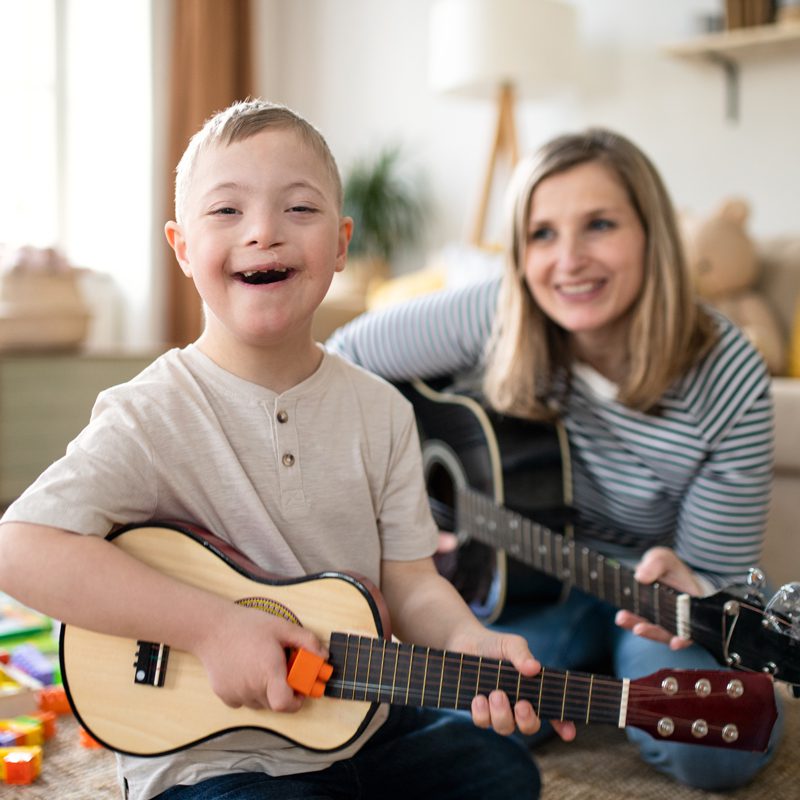
Guide
How we support the families of the people who live in our homes, and how what they know shapes the plan.

Guide
How our homes are set up, from choosing who you live with to rosters written around your day.

Guide
Why belonging takes deliberate work, and how we build community into everyday support.

Guide
A plain list of what Supported Independent Living pays for, what it does not, and a recent change to rosters of care.

Common questions
Answers about restrictive practices, staffing ratios, housing, moving in, and where we work.
Accessibility
If anything is hard to read or unclear, email accessibility@